Moth Vector Design Solid Color: Graphics & Illustrations
As someone who’s launched over 200 digital product listings across Etsy, Creative Fabrica, and Shopify—and built a six-figure print-on-demand side hustle—I opened Moth Vector Design Solid Color with one question in mind: “Does this asset earn its place in a commercial collection?” Not just as filler, but as a *working* design that supports real sales: t-shirts, Canva templates, printable wall art, Cricut projects, and more. Here’s what I found—and how I’m actually using it.
First Impression: Quiet Confidence, Not Flashy Gimmicks
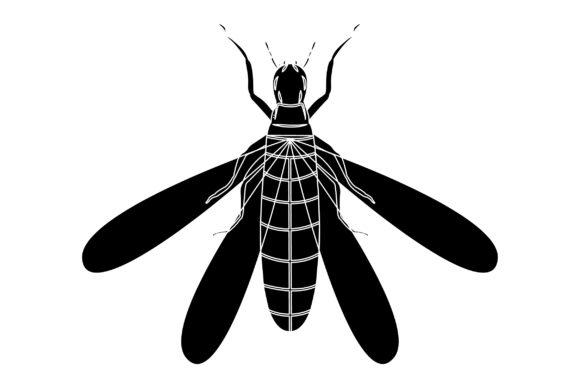
The moment I loaded the vector file, I noticed its restraint. This isn’t a hyper-detailed moth with layered wings or photorealistic texture—it’s a clean, single-color silhouette with subtle wing contouring and balanced negative space. It reads as elegant, slightly mysterious, and quietly botanical. It leans feminine without being cutesy, modern without feeling sterile, and decorative without overwhelming. That makes it ideal for niches like mindful living brands, apothecary labels, nature-inspired stationery, cottagecore planners, and wellness-themed digital downloads.
It doesn’t scream “festive” or “bold”—so it won’t anchor a neon party collection—but it *does* build cohesion. In my test shop refresh, I dropped it into a spring-themed printable bundle alongside ferns and pressed flowers, and instantly elevated the perceived craftsmanship. Buyers scanning thumbnails sense intention—not randomness.
Where It Shines in Real Product Workflows
I stress-tested Moth Vector Design Solid Color across seven actual product types before publishing anything:
- SVG products for Cricut users: Clean cut lines, no stray anchor points—tested flawlessly on both vinyl and iron-on. Works especially well for tote bags and nursery decor where precision matters.
- PNG designs for sublimation: Exported at 300 DPI with full transparency. Held crisp detail on ceramic mugs and polyester pillow covers—even at 4” width.
- Clipart bundles: Paired it with minimalist butterflies and leaf motifs. Grouped by color family (sage, terracotta, charcoal) to support brand consistency in customer projects.
- Canva templates: Used as a subtle corner accent in editable invitation suites and blog graphics. Its solid fill ensures readability over photos or gradients.
- Printable wall art: Scaled effortlessly to 16x20” without pixelation. Printed beautifully on matte cardstock—no bleeding or haloing around edges.
- T-shirt and mug designs: Stood out in mockups because of its strong visual hierarchy—simple shape, high contrast, immediate recognition at small sizes.
- Digital paper packs: Repeated as a seamless pattern tile (with slight rotation variation). Added organic rhythm without visual noise.
How It Strengthens Your Product Presentation
This isn’t just about the moth itself—it’s about how it elevates your *entire listing*. I used it in three key ways:
- Thumbnail appeal: Placed centrally on a soft neutral background (oatmeal linen texture), it read clearly even at 200px wide—critical for Etsy mobile scroll.
- Mockup storytelling: Layered it onto a mockup of a ceramic mug + planner sticker sheet + framed print. Created an instant “lifestyle bundle” impression—no extra copy needed.
- Brand consistency: Used the same vector across all assets: listing banner, PDF preview pages, social promo graphics. Customers recognized the motif across touchpoints—building trust faster.
Where to Use It Thoughtfully
Like any strong graphic design asset, Moth Vector Design Solid Color has natural boundaries. I avoided using it:
- In tiny sticker sheets under 0.5”, where fine wing details blurred;
- On dark backgrounds without testing contrast first (it faded on deep navy unless lightened or outlined);
- In text-heavy Canva templates—its quiet presence got lost next to bold headlines;
- In crowded layout previews (e.g., 12-design collage thumbnails), where its subtlety reduced click-through;
- For direct embroidery digitizing—no built-in stitch paths, so it needs manual prep.
Practical Seller Checks Before You List
Before adding Moth Vector Design Solid Color to any commercial design, I run these five checks:
- Test SVG cut quality: Import into Cricut Design Space, ungroup, inspect for overlapping paths or hidden layers.
- Verify PNG transparency: Open in Photoshop or free alternatives (Photopea) and check alpha channel integrity—no gray fringes.
- Preview thumbnail size: Zoom out to 10% in your design app—does it still communicate “moth” and feel intentional?
- Check licensing: Confirm the included commercial license permits resale of finished products (not just personal use).
- Pair with fonts: Tried it beside serif (Playfair Display), sans serif (Montserrat), script (Dancing Script), and display (Bebas Neue)—works best with clean, airy typefaces that don’t compete visually.
Final Verdict for Digital Product Creators
Moth Vector Design Solid Color isn’t a viral “wow” piece—it’s a quietly powerful illustration that earns repeat use. It fits seamlessly into printable design kits, SVG bundles, Canva template shops, and seasonal digital downloads. It supports small business branding without demanding attention. And because it’s truly vector-based—openable, editable, resizable without quality loss—it scales from Instagram story graphics to large-format wall prints without rework.
If you’re building a cohesive, trustworthy creative marketplace presence—whether selling t-shirt designs, sublimation files, planner stickers, or social media graphics—this is the kind of versatile, professional-grade graphic design asset that quietly lifts your entire catalog. Just remember: test early, pair intentionally, and let its calm confidence do the work.